Building a Stronger Philippines - DRAFT 3


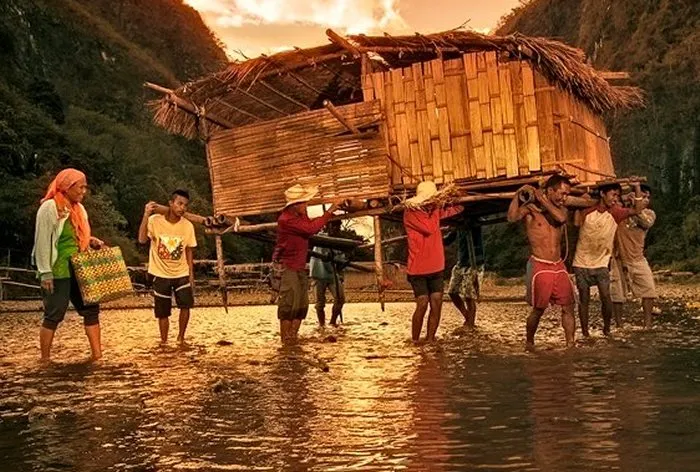
   The Philippines faces many natural disasters, such as typhoons, earthquakes, and volcanic eruptions, due to its location in the Pacific Ring of Fire. These disasters cause severe damage to homes, infrastructure, and the economy, leaving many communities vulnerable. The root causes of this vulnerability include a lack of proper urban planning, weak infrastructure, and the effects of climate change. These issues make it difficult for the country to recover quickly  from disasters, highlighting the need for a more resilient approach to disaster management.
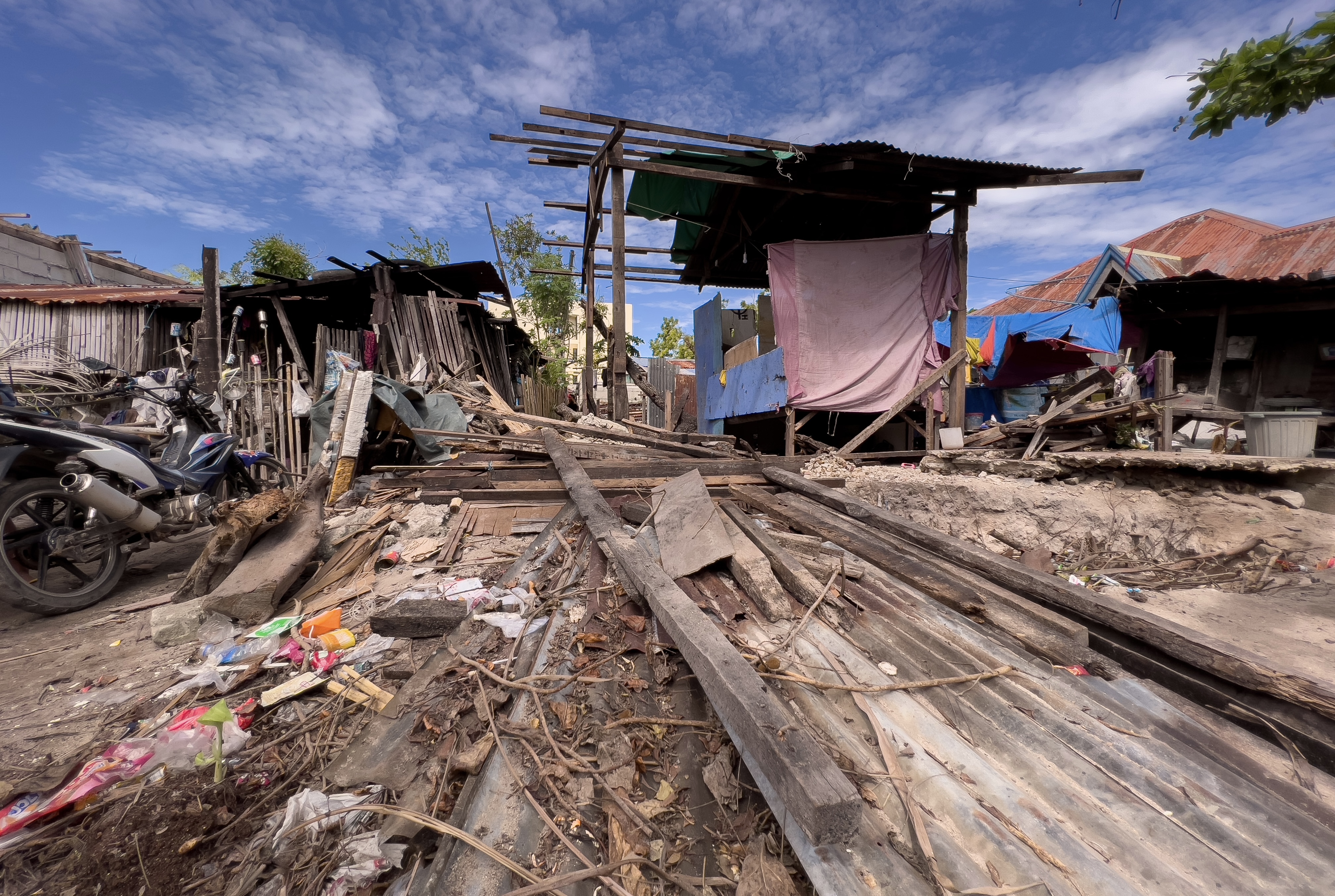
(Image Source)

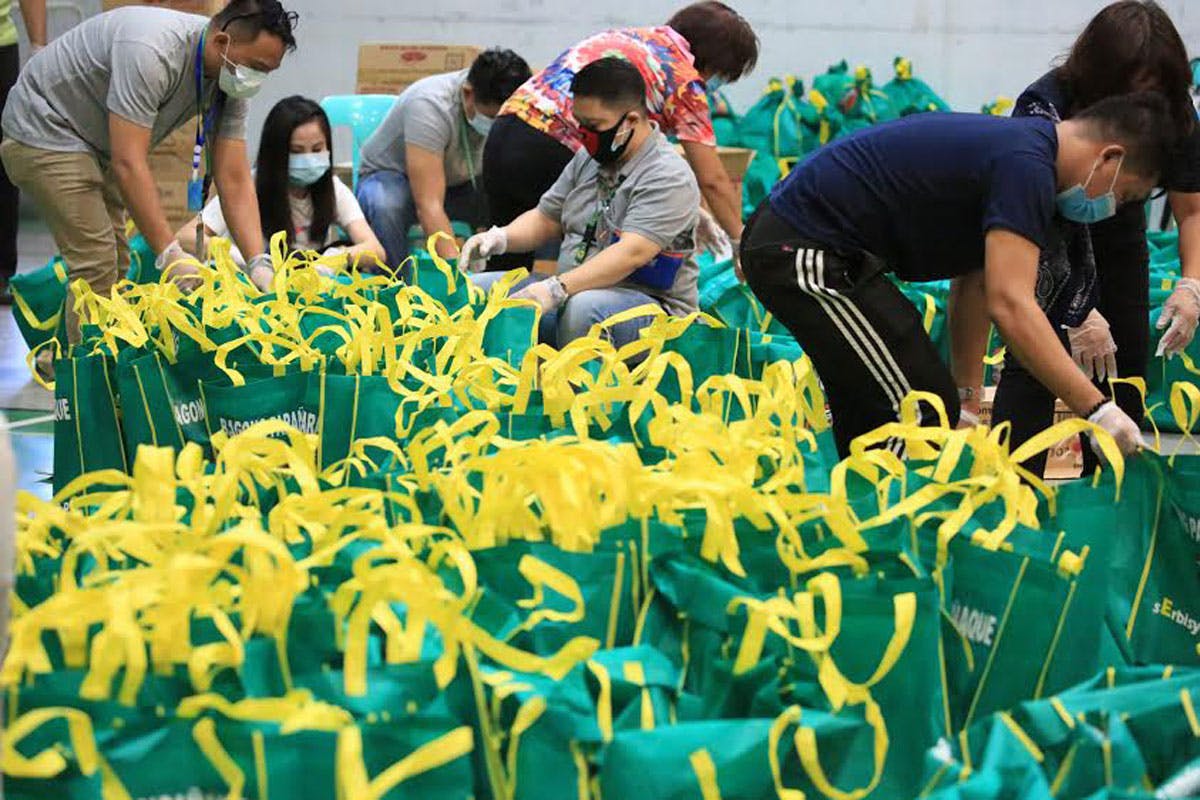
     In response to these challenges, the Philippine government and various organizations have implemented several measures to build resilience. These include disaster preparedness programs, early warning systems, and strict building codes to ensure structures can withstand natural disasters. Additionally, there have been efforts to educate communities on how to respond during emergencies. While these steps have improved the country’s ability to handle disasters, there is still a lot of work to be done, especially in reaching remote areas and ensuring that all citizens have access to the resources they need to stay safe.


     Despite these efforts, many challenges remain in building a more resilient Philippines. One major challenge is the limited funding and resources available for disaster risk reduction programs. Corruption and poor governance can also hinder the effective implementation of these programs. Moreover, the rapid urbanization of cities often outpaces the development of necessary infrastructure, leaving many areas vulnerable to disasters. To truly build a resilient nation, the Philippines must address these challenges by ensuring transparency, increasing investment in disaster preparedness, and promoting sustainable development practices.


Comments

  1. I read this and I appreciate how you also addressed the cause and approaches. Thank you for sharing this, I hope that our country would be better as we acknowledged these.

    ReplyDelete

Post a Comment

Popular posts from this blog

Bridging Cultures: Why Filipinos Celebrate Chinese New Year

Filipinos celebrate Chinese New Year to honor the deep-rooted cultural and economic connections between the Philippines and China. Historically, the Chinese community have significantly influenced Filipino culture, contributing to various traditions and practices (Wickberg, 2000). In 2012, the Philippine government has recognized this by declaring Chinese New Year a special non-working holiday, allowing both Filipinos and Filipino-Chinese to partake in the festivities (Tan, 2011). This move underscored the nation's acknowledgment of the Chinese community's integral role in a Philippine society. This is shows how much Chinese traditions have shaped Filipino customs over time (Ang See, 1997). The celebration is marked by various custom and tradition that symbolize good fortune and prosperity. Families prepare special dishes like a tikoy , which are believed to bring unity and harmony among friends and family members (Chu, 2010). Lion and dragon dance was performed in streets and ...

Building Connections: Reflection and Lessons Learned from Our Community-Based Research Project

  Through this community-based research (CBR) project, I have learned a lot about how to study real-life problems in the community. I learned how to use research methods and work with the community to collect important information. Working on the web design was also a great experience because I manage to improve my previous skills on how to make websites that are easy to use and show information clearly. This project also showed me how important it is to work together as a team, because everyone has different skills and ideas to share. In the end, this project helped me get better at both research and web design while also learning how to involve the community better. One of the problems I faced was making sure the web design looks good and is easy to use for many different people. It was hard to balance making the website fun to look at and making sure it was easy to navigate. Another problem was getting enough good data for the research, since working with the community took a l...

Community Based Research (CBR) PhotoBlog

In this photo blog, I document my experiences in conducting a Community-Based Research (CBR) project and the process of making a web design for it. Me and my group mates, making our letter and questionnaires to be given to Barangay VIII. Our Letter and  Questionnaire to be answered, these 5 questions are mostly related to mitigating pollution (both English and Tagalog were provided for the questions). Brgy. VIII SK Chairman Jhude Ivan Corpuz, answering our questionnaire. Me and my group mates, making our web design. Screenshot of the code of my parts of our CBR (Homepage and Community Profile), the code editor/software I used is Visual Studio Code. Final look of our Homepage, used only HTML and CSS for the structure and styles.