Draft 2/Blog Post No. 2: Climate Change and Filipino Resilience


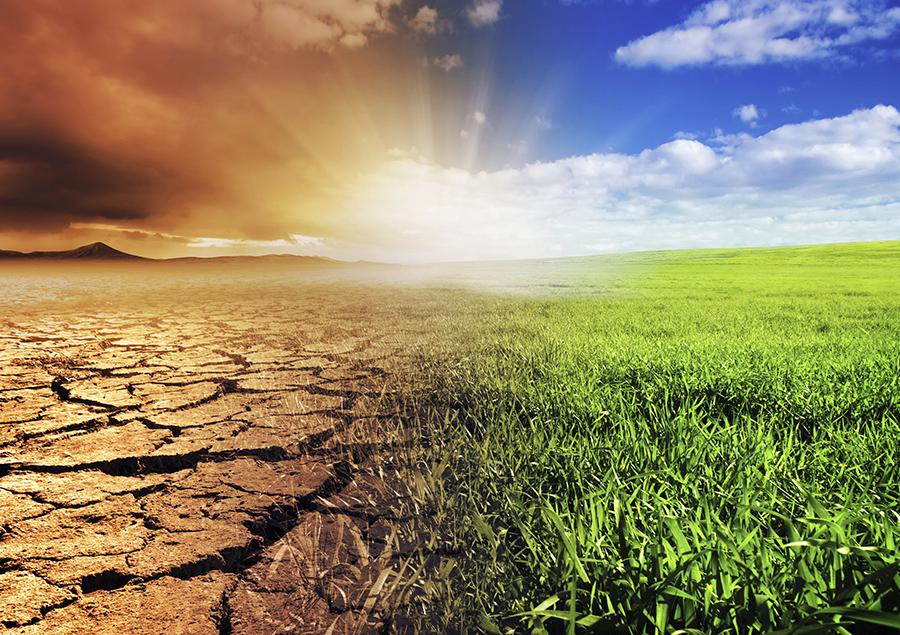
Climate change has severely changed the lives of many Filipinos in sudden disasters and gradual changes in the environment. Being one of the world's most vulnerable countries to climate change, it frequently undergoes extreme weather events like typhoons, floods, and droughts. Calamities displace families, destroy livelihoods, and disrupt access to basic needs, which calls for urgent action on the root causes of climate change.
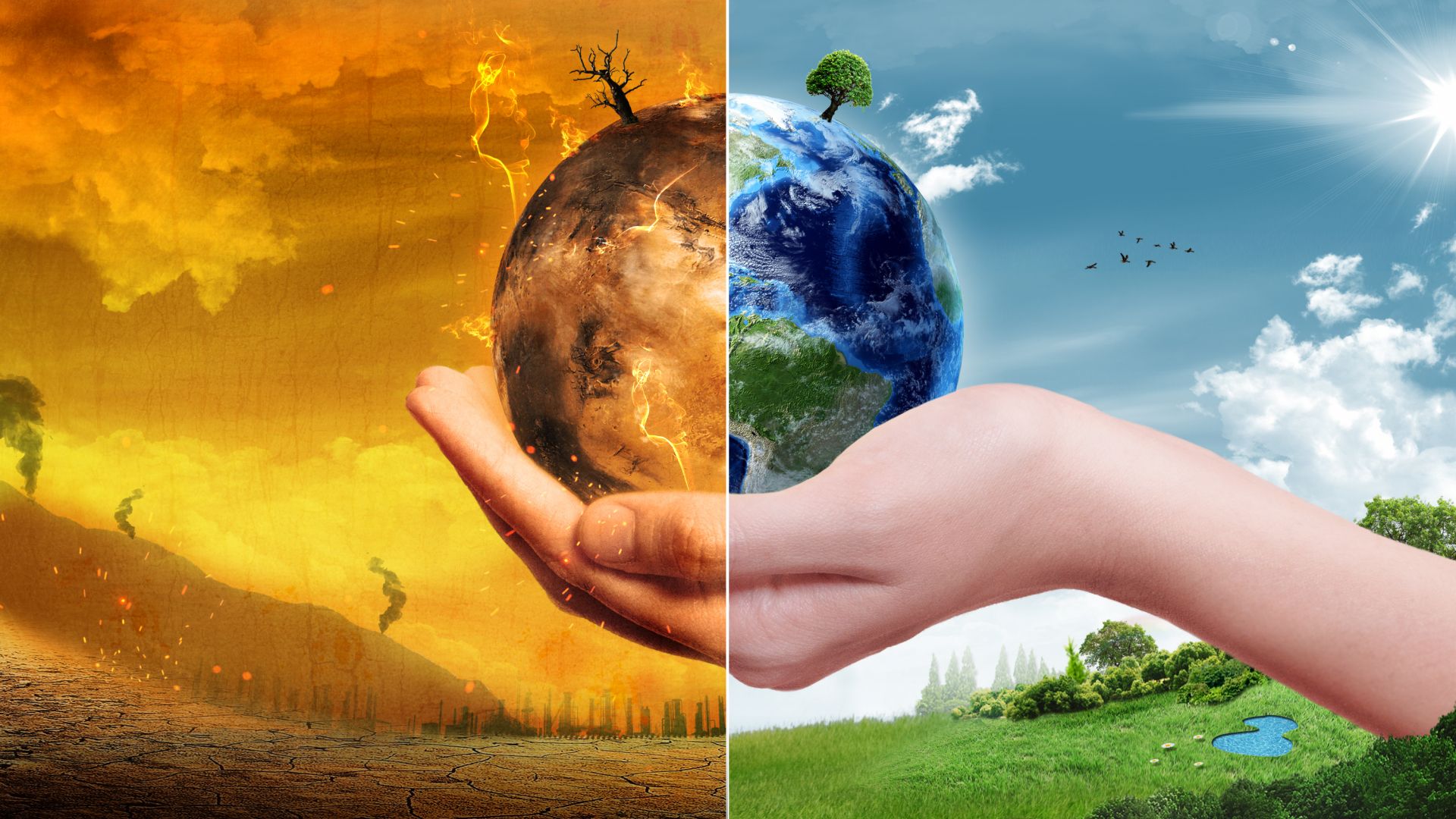


Some of the causes of environmental degradation in this country include the destruction of forests, pollution, and unsustainable agricultural practices. Shrinkage of forests and rise in the sea level only make coastal and mountainous communities suffer from the changes. And however grueling the situation is, the resilience of Filipinos proves itself as the nation strives to go on. They continuously adapt to new realities-from developing early warning systems to implementing sustainable practices. Communities are finding ways to mitigate the impacts of climate change.


However, resilience alone is not enough. The government and private sectors must work together in implementing long-term solutions, such as switching to renewable energy, improving disaster preparedness, and making people aware of their participation in climate action. Each small step undertaken now contributes to a future where Filipinos not only survive but thrive in the face of climate change. Together, we can protect our environment and ensure a safer tomorrow for the next generation.


References: Climate Reality Project Philippines. (n.d.). Climate Change in the Philippines. Retrieved from https://www.climatereality.ph

Comments

Popular posts from this blog

Bridging Cultures: Why Filipinos Celebrate Chinese New Year

Filipinos celebrate Chinese New Year to honor the deep-rooted cultural and economic connections between the Philippines and China. Historically, the Chinese community have significantly influenced Filipino culture, contributing to various traditions and practices (Wickberg, 2000). In 2012, the Philippine government has recognized this by declaring Chinese New Year a special non-working holiday, allowing both Filipinos and Filipino-Chinese to partake in the festivities (Tan, 2011). This move underscored the nation's acknowledgment of the Chinese community's integral role in a Philippine society. This is shows how much Chinese traditions have shaped Filipino customs over time (Ang See, 1997). The celebration is marked by various custom and tradition that symbolize good fortune and prosperity. Families prepare special dishes like a tikoy , which are believed to bring unity and harmony among friends and family members (Chu, 2010). Lion and dragon dance was performed in streets and ...

Building Connections: Reflection and Lessons Learned from Our Community-Based Research Project

  Through this community-based research (CBR) project, I have learned a lot about how to study real-life problems in the community. I learned how to use research methods and work with the community to collect important information. Working on the web design was also a great experience because I manage to improve my previous skills on how to make websites that are easy to use and show information clearly. This project also showed me how important it is to work together as a team, because everyone has different skills and ideas to share. In the end, this project helped me get better at both research and web design while also learning how to involve the community better. One of the problems I faced was making sure the web design looks good and is easy to use for many different people. It was hard to balance making the website fun to look at and making sure it was easy to navigate. Another problem was getting enough good data for the research, since working with the community took a l...

Community Based Research (CBR) PhotoBlog

In this photo blog, I document my experiences in conducting a Community-Based Research (CBR) project and the process of making a web design for it. Me and my group mates, making our letter and questionnaires to be given to Barangay VIII. Our Letter and  Questionnaire to be answered, these 5 questions are mostly related to mitigating pollution (both English and Tagalog were provided for the questions). Brgy. VIII SK Chairman Jhude Ivan Corpuz, answering our questionnaire. Me and my group mates, making our web design. Screenshot of the code of my parts of our CBR (Homepage and Community Profile), the code editor/software I used is Visual Studio Code. Final look of our Homepage, used only HTML and CSS for the structure and styles.